

A premium newsletter is a subscription business that generates sustainable recurring revenue by sending unique content to its members via email.
A growing number of online publishers are relying on email newsletters to build an audience of paying subscribers which can generate thousands or even millions in annual revenue.
In this article we’ll look at some successful examples of newsletter subscription businesses - and then we’ll explore everything you need to know to start your own.
Case studies: Successful premium newsletters
There are plenty of interesting examples of premium newsletters in a variety of niches that are already paving the way, which helps to highlight some of the key factors that make them so successful. Here’s 11 examples to provide further insight and inspiration.
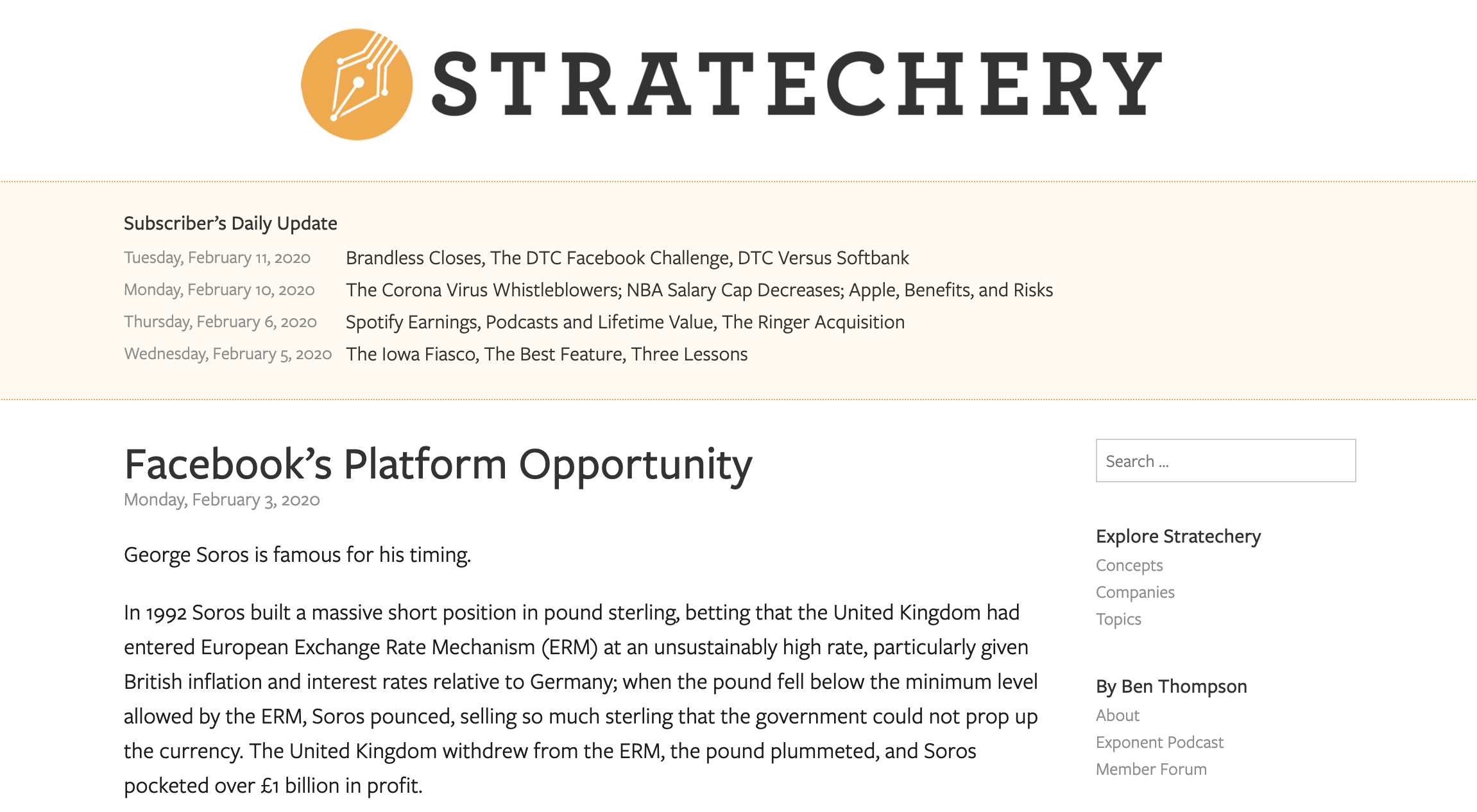
Stratechery pioneered the daily premium newsletter
Ben Thompson is one of the early adopters of the premium newsletter model. Members can enjoy the analytical tech industry blog posts and daily newsletter by subscribing for a monthly or annual membership. While some of the content on the site is free, thousands of people have subscribed to support Ben’s work and access the daily email newsletter.
The Browser has over 10,000 subscribers
This newsletter curates 5 recommended articles from a variety of topics every day for its subscribers, and is entirely ran by two editors, Robert Cottrell and Caroline Crampton. Monthly subscriptions start at $5, with annual subscriptions starting at $48. Read more about The Browser’s story in this interview.
Side-project Normcore Tech generated $4k in the first few months
Tech writer Vicki Boykis started a newsletter as a side project and quickly began attracting subscribers and revenue within the first 5 months.
“From my personal perspective, it’s more than I’ve ever made writing in a year consistently, and I keep getting new subscribers, so I’m pretty happy with it.”
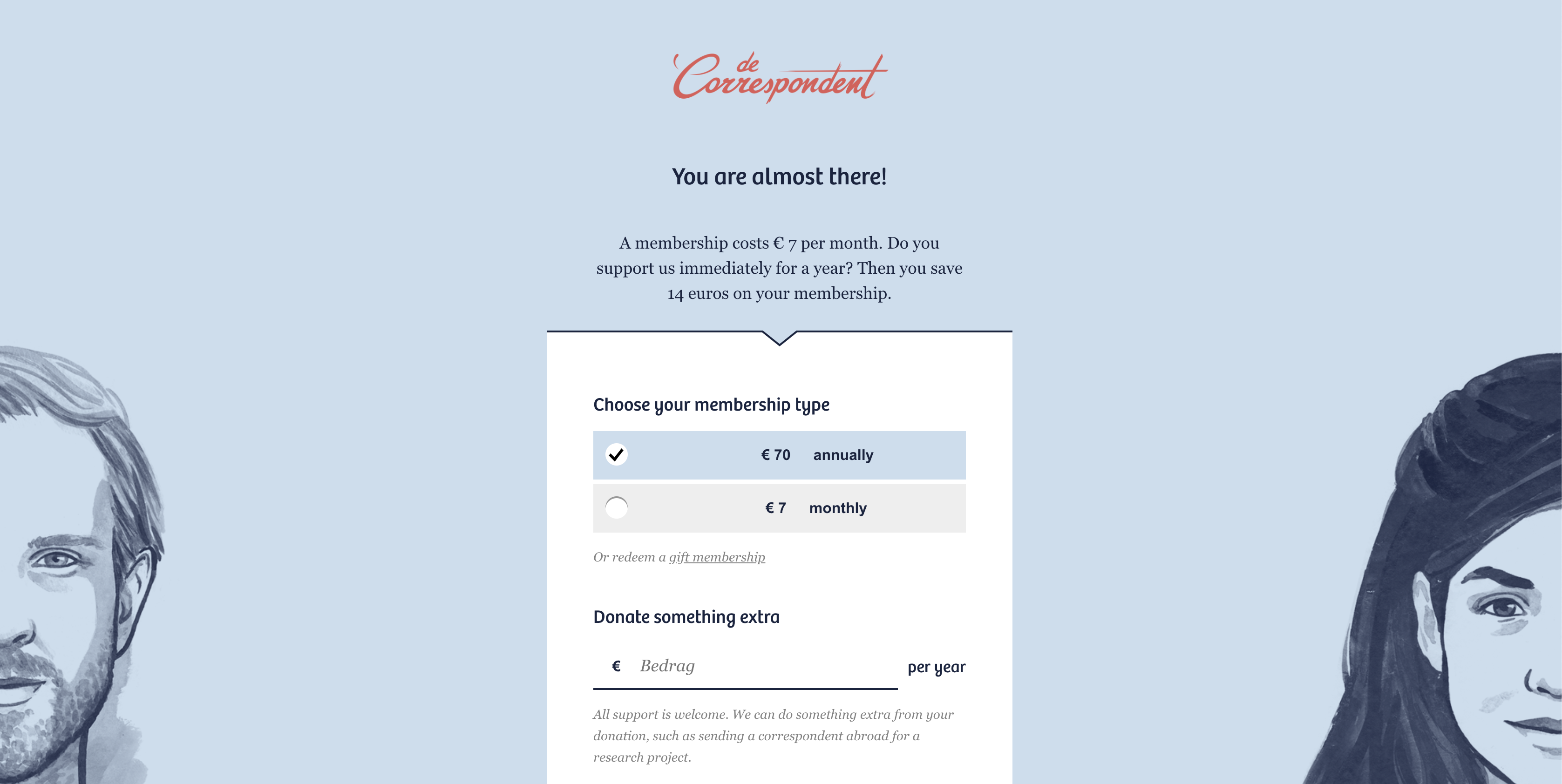
De Correspondent generate millions with a successful hyperlocal newsletter
96% of the Dutch publishers revenue comes from paying members who sign up for the daily newsletter. Memberships are €7/month or €70/year, but they also receive nominated donations and additional support from members who can afford it.
They’re well known for being transparent about their revenue with members, which helps to foster engagement and retention.
Sinocism now has more than 50,000 subscribers
This informative newsletter by Bill Bishop is about business, political and social relationships between China and the U.S. With over 50k subscribers in total and premium members are paying $15/month.
Larger media organisations like Business Insider are moving towards premium subscriptions
Business Insider was acquired by large media company Axel Springer in 2015, and has been selling premium newsletter subscriptions for several years. BI Prime and BI Intelligence subscriptions have $1 “free” trials, annual membership and even enterprise options.
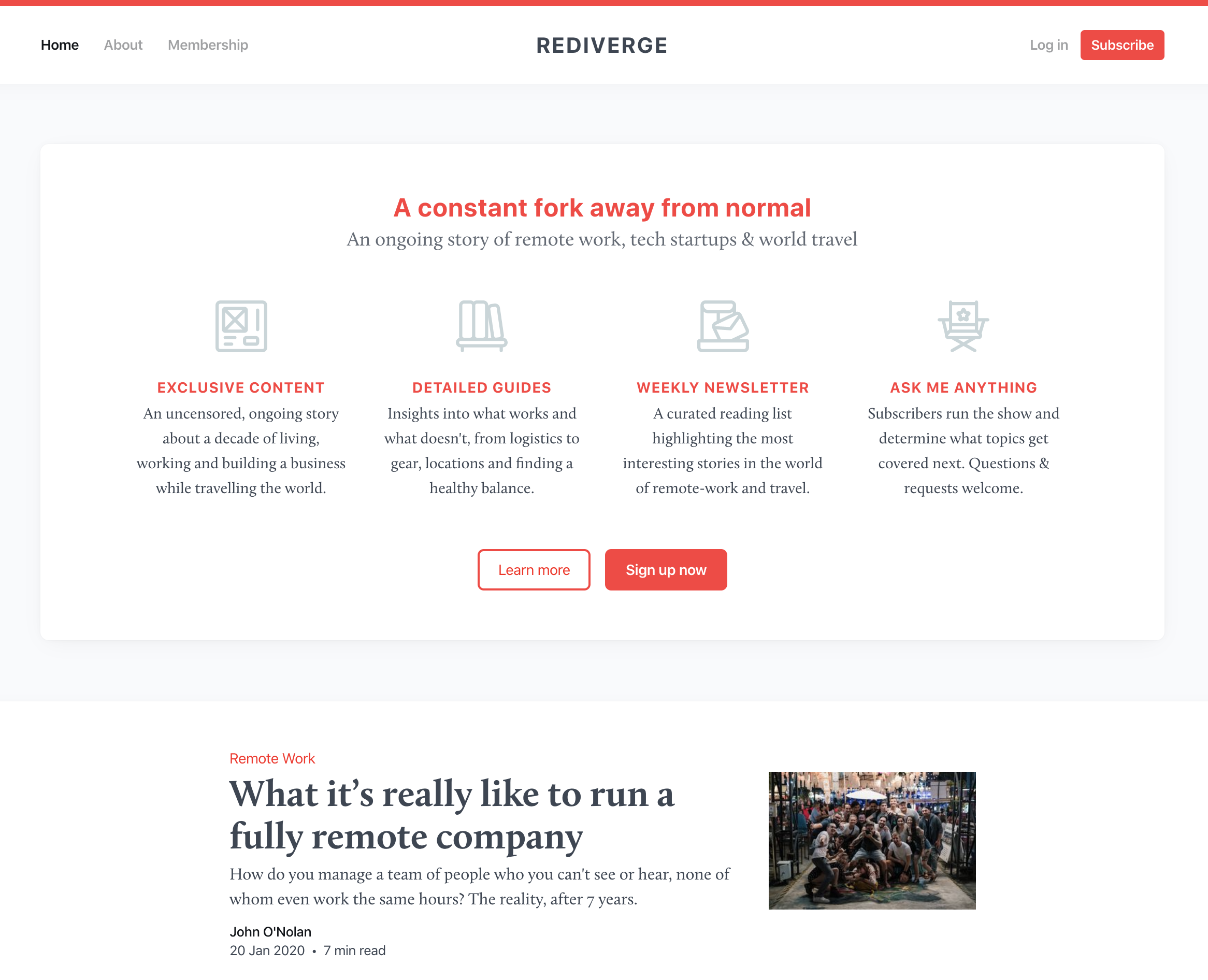
Rediverge sold out of limited early adopter spots in 24 hours
This independent publication about remote work, world travel and building a different kind of life was launched by Ghost’s founder John O’Nolan in November 2019. Rediverge is now a few months into building a growing community of more than 250 subscribers who receive the private newsletter in their inbox.
Off the chain provides a daily newsletter to investors and early access to podcast episodes
Anthony Pompliano’s cryptocurrency newsletter sends both free and premium issues, with a “daily letter” for paid members. It already has more than 40,000 subscribers (free and paid) and plans are $100/year or $10/month.
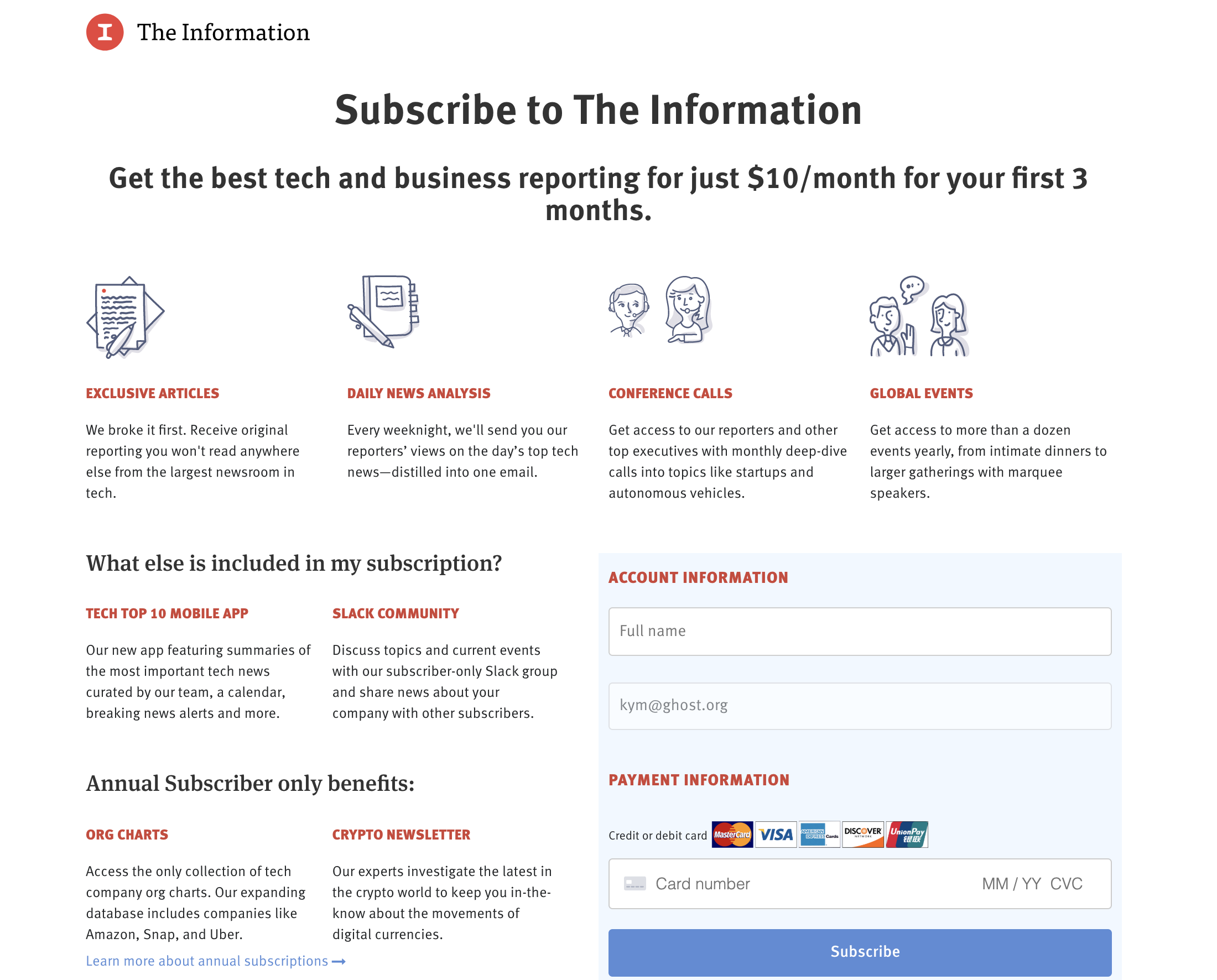
Jessica Lessin founded The Information with subscriptions as the only revenue stream in 2013
Since then the publication has gone on to become very successful, with a free weekly newsletter, and daily news analysis for paid members. The Information members also get access to a whole host of other member benefits like exclusive articles and access to a Slack community. The Information has a $399 annual plan which thousands of subscribers pay for!
Advisorator generated more than $12k within the first year
Freelance journalist Jared Newman ran a free newsletter for two years, and noticed there was a demand for something more focused on tech advice. So Advisorator was born, which has $5/month and $50/year subscriptions, and attracted 200 subscribers in the first year.
“Nothing compares to the freedom of running your own publication, in which people have invested specifically in hearing what you have to say” - Jared Newman
Explorers Club gained over 15,000 subscribers in the first year
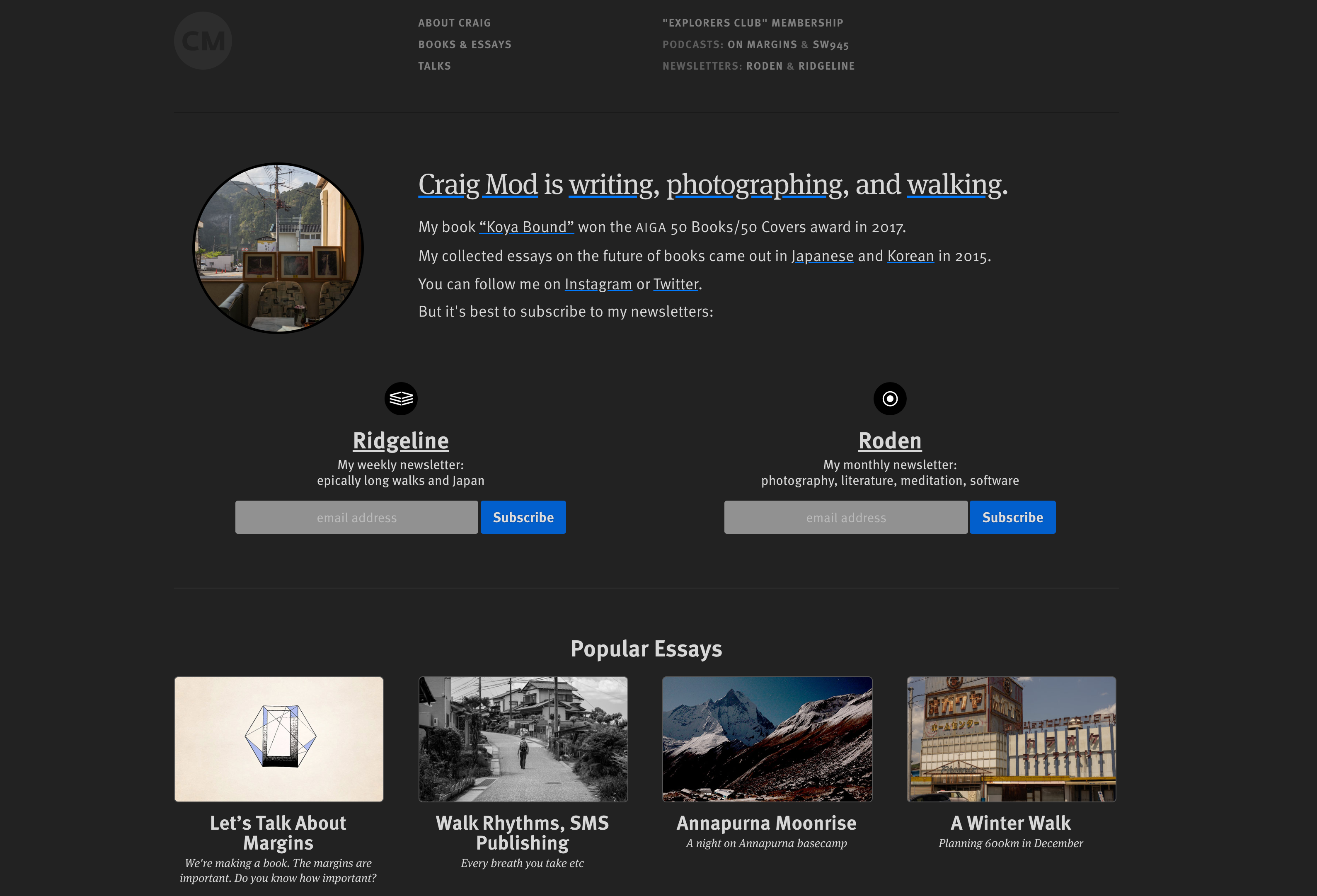
Craig Mod runs two newsletters, Roden and Ridgeline, alongside a membership business that boasts other benefits like longform essays, office hours and podcast content.
These examples include solo creators, smaller independent publishers and larger publications with a team behind it. But what is interesting is that the size of the organisation doesn’t necessarily correlate with its success. It’s entirely possible to generate large amounts of sustainable revenue and run a full membership business as a writer, creator or solo founder. Equally, this business model works well for publishing teams at scale.
Why use email and not something else?
Trends come and go, but email is never going away. It consistently performs above all other mediums and has done for a long time.
With over 3.9 billion email accounts worldwide and 293 billion emails sent per day (Radicati Group), average open rates for email are between 20%-30% and click-through rates are around 3%. This might not sound that great, but compared to other channels like social media, where average reach is 6% or less and click-through is 0.5%, it actually stacks up pretty well (Source).
Not only that, premium newsletters are far more likely to exceed the averages since they're not cold marketing emails being sent to a large audience, but targeted emails being sent to a niche audience.
Our free newsletter Publisher Weekly consistently gets open rates over 50% and click rates over 40%, by offering valuable weekly content to a niche audience.
Social media networks are saturated, advertising models are broken and the internet is full of spam, bots and tracking. Consumers are getting tired of this, and increasingly searching for alternative ways to discover the best content that serves their needs. This is where your premium newsletter comes in!
Niches are becoming big business
Creating a premium newsletter gives you the opportunity to cut through the noise. You can find a niche and attract a very specific audience. Your audience is made up of people who make the choice to sign up for your newsletter. They actually want to hear from you, and hopefully in some cases will be willing to pay for that benefit. Email is the most effective and direct way to share your work with these people.
You can still use other formats, too
A newsletter is a vehicle for communication that works well. But you can also combine or coincide a newsletter with a blog, a community, a podcast, a video channel, essays, photography, music… or anything else you can think of. Many of the case studies above do exactly this!
How to create a newsletter
Now we know what a premium newsletter looks like and have seen examples of what success looks like, let’s dive into how to create a newsletter for yourself. We’re going to start with some initial tips for finding your niche, the technical specifics of getting setup, and methods for attracting your first subscribers.
Finding your niche & being unique
Picking your niche is a question only you can answer. But let’s preface this with the most important thing to bear in mind at all times:
For any kind of premium content to work, it needs to be genuinely unique.
You can ask yourself some questions such as “what am I interested in?” or “what am I an expert in?” - and that’s a good start. But what you really want to spend your time figuring out is: how you are going to offer something that people want or need, and simply can’t find elsewhere? The more specific you can be about this, the better.
Creating content that is the same but better than others might get you so far. Content that is the same but worse than others probably won’t get you far at all. To stand a chance at success you need to create a newsletter that is both different, and better, than the rest.
Uniqueness can take many forms, here’s some examples:
Provide value
For example, a curated newsletter saves time, an analytical one teaches readers something, a business tips newsletter enables readers to make better business decisions. In a lot of these cases, the newsletter also helps people to make money which is usually the most convincing justification of a subscription.
Fill a content gap
When there are simply no good outlets providing curation or information to those who want it the most you have a prime opportunity to create something of unique value. These are rare to find!
Provide a unique perspective
Creating a newsletter that provides your own perspective on a niche topic that is already saturated can work, but it usually requires having an existing audience to work with.
Provides entertainment
Arguably the most difficult space to be in, since entertainment is relatively subjective which makes it more difficult to set yourself apart. But that doesn’t mean it’s not possible - there are many popular YouTubers for example, whose main value proposition is pure entertainment.
What is your value proposition?
Remember, you’re expecting people to pay for your newsletter. Providing unique value is something that all successful businesses have to figure out. People selling physical products or software have to overcome the exact same hurdles!
The good news is – many of the successful newsletter authors featured earlier in this article didn’t start out as well-known names within their niche. They’ve built a personal brand using their newsletter to become well-known. They did this because they figured out a genuinely unique approach within a specific niche and created exceptionally good content. That’s what you need to do!
Technical stuff: Creating a newsletter
Once you’ve got your strategy in place, you’re going to need a subscription commerce platform to host your premium newsletter. The bare minimum you’ll need to get started is:
- A page where people can subscribe
- A way to take payments
- A method of sending email newsletters to your subscribers
Creating a premium newsletter website
You're going to need to create a home for your newsletter that serves as a marketing website to attract new subscribers and showcase your work. There are plenty of options available to you, including ours! The choice is yours, so make sure you do some research and experiment with some platforms to get an idea of what will work for you.
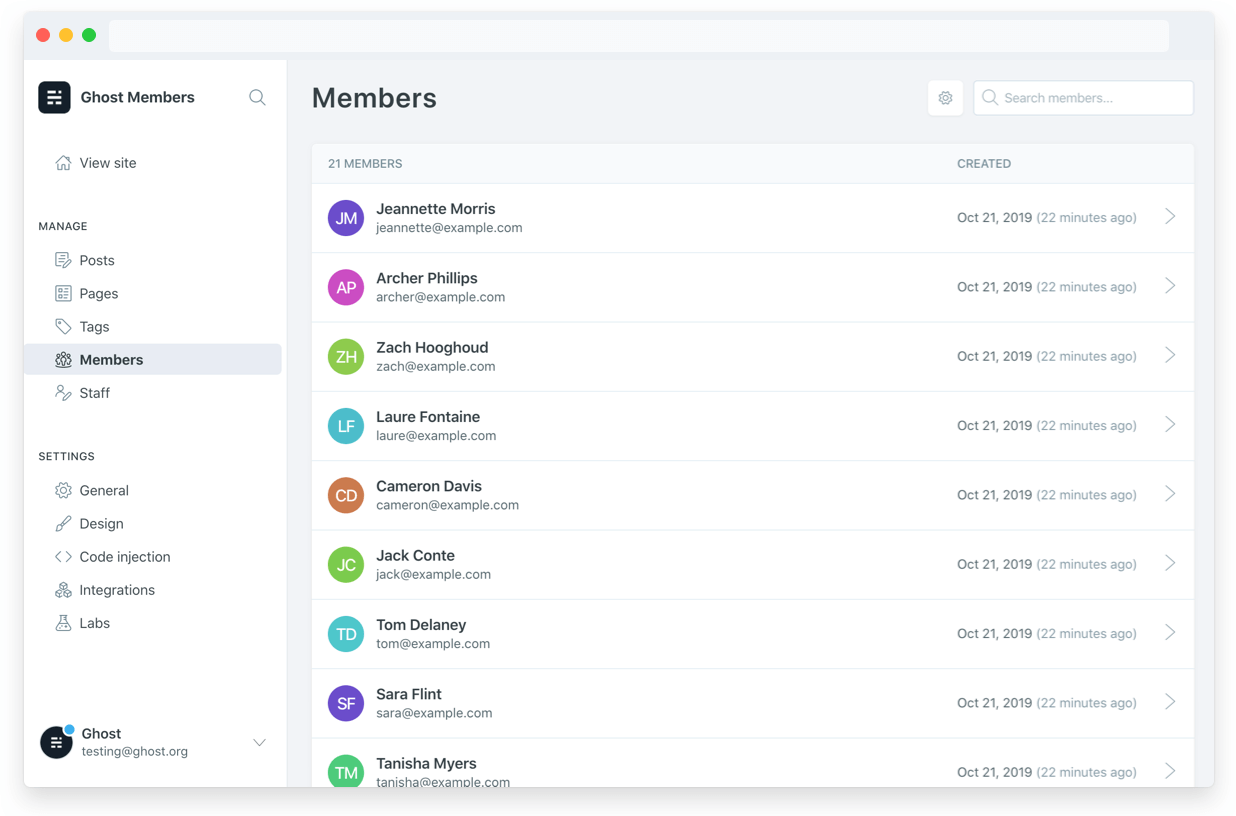
Newsletter authors can get started with Ghost by spinning up a publication in the space of 3 clicks, which immediately gives you a website that you control, as well as full premium newsletter features such as sign up and sign in forms, plans and payments via Stripe and member management.
Creating subscriptions & taking payments
Once your premium newsletter has a home, it also needs to accept payments from your subscribers. The most common way to do this is to have a sign up page featuring your paid plans, which allows your readers to subscribe with a credit card.
Any good subscription commerce platform handles this for you using an integration with a payment gateway. The thing you want to research here is whether there are any additional fees or percentages taken out of your revenue, as this varies depending on your chosen platform.
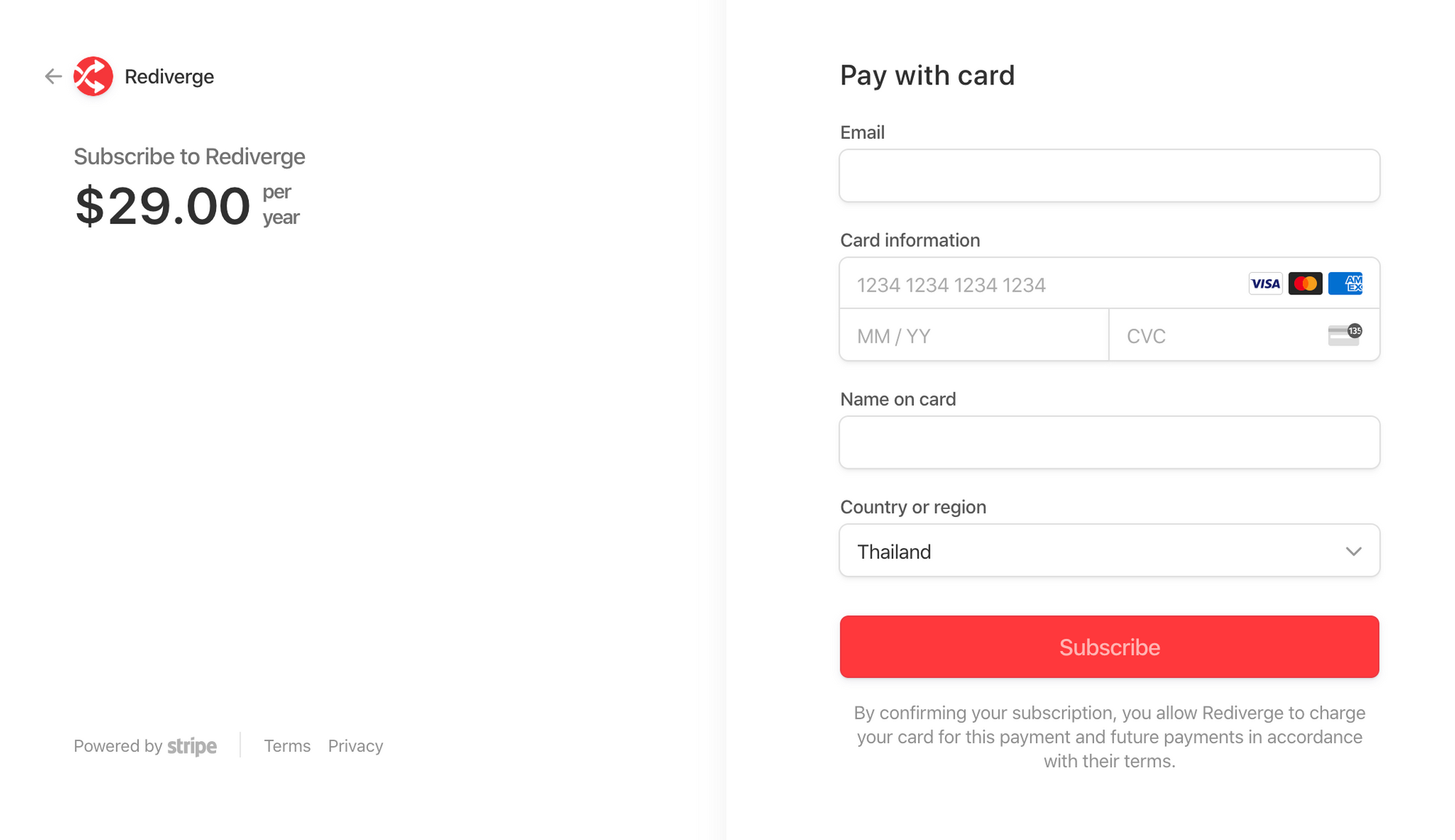
This works in Ghost by connecting a Stripe account (which takes a few minutes), and using a theme on your site that includes a sign up page. That's all you need to start taking payments! Once a new member has subscribed, they'll be added to your member dashboard and they'll receive all future emails that you send to paid-members.
Sending newsletter content
You may decide to use a platform that has email newsletters built-in, like Ghost or Substack, or use something like Memberful that manages your memberships, but requires an additional tool for emails. Either way, you need to choose a reliable mechanism for sending newsletter content to your subscribers.
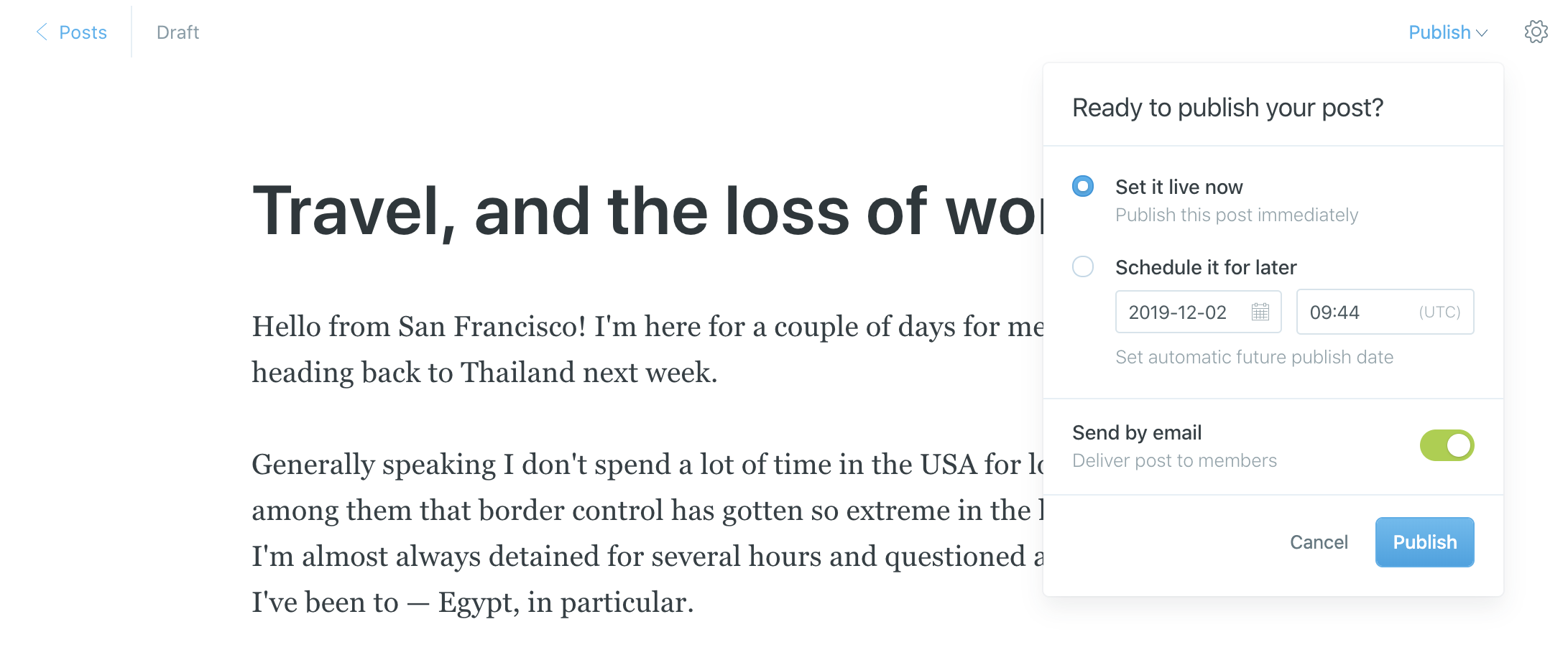
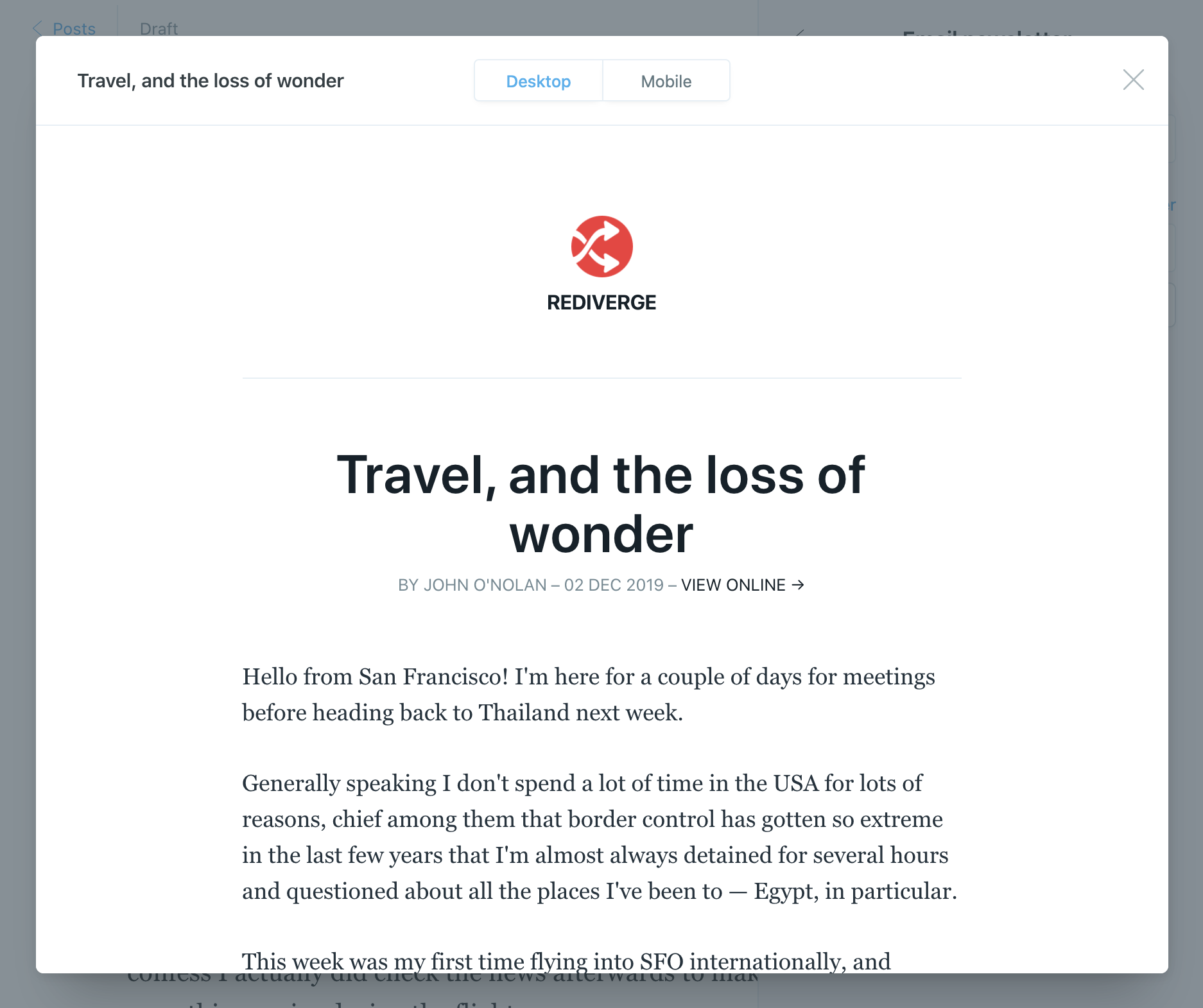
Any post created in the Ghost editor can be sent to your subscribers in a few clicks and it's possible to send your emails to both free and/or paid subscribers based on post access level. For example, you might choose to send daily newsletters to paid members, and weekly issues to free members who you’re trying to convert.
Doing more than the basics
Beyond that, you’re probably going to want some additional functionality, including but not limited to:
- Custom domains
- A custom branded website
- Member-protected content
- Member management dashboard
- Integrations with third-party tools
- Content embeds for video and audio
It's always a good idea to plan for the future when deciding what technology to use to power your business. All of the successful case studies earlier in this article have built something completely custom and are offering a variety of perks and content types to their members.
Ghost leaves you with open avenues to customise, scale and personalise your business down the line. You can build almost any kind of publication around a premium newsletter business – and many publishers choose to start simple and then do the customisation work once their proof of concept is working and they're generating some predictable revenue.
Running costs 💸
Craig Mod covered the ongoing costs to run this type of business in his article about running a membership program. It gives you an idea of the kind of things you need to consider, such as hosting, domains, email and membership software:
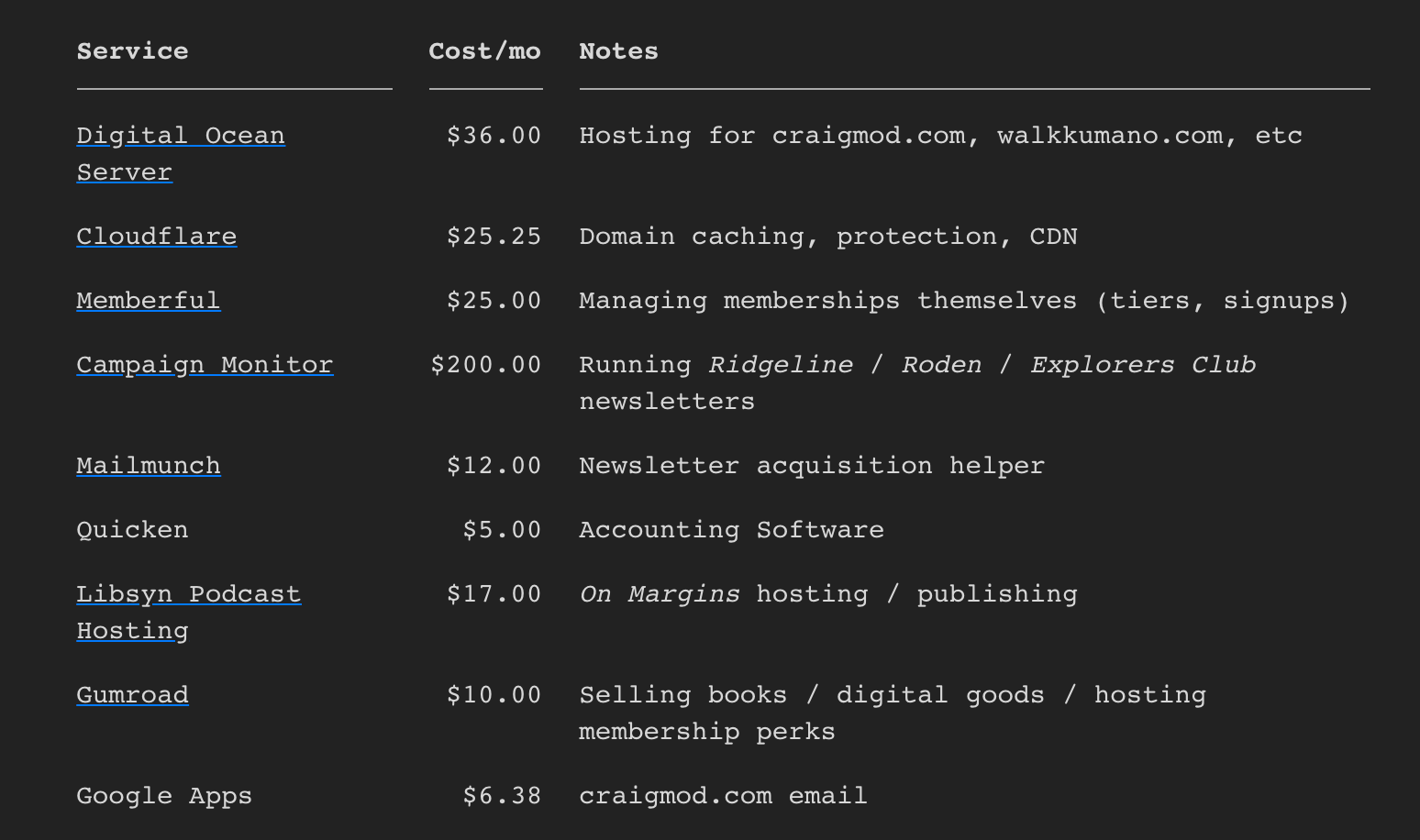
With a Ghost publication, you pay a single monthly fee which covers everything from hosting to member management and emails. Ghost never takes a percentage of your revenue, so the only extra fees you’d pay are for payment processing (Stripe charges 2.9% +$0.30). This makes it fairly easy to plan and budget for your outgoings!
Get started in a few hours or less with Ghost by signing up for a free trial and using our members guide!
Attracting paid subscribers
Launching your premium newsletter also needs some form of strategy behind it. From studying the examples earlier in this post, we noticed a few common methods for launching which will help you to determine how to start attracting your own subscribers.
Launch to an existing audience
This won’t always be applicable, but when it is it can be a great strategy to step out into the world of memberships and find out how many of your existing readers would be willing to pay. Ghost allows you to import existing subscribers from anywhere, if you'd like to give your existing readers immediate access.
Use content access levels to your advantage
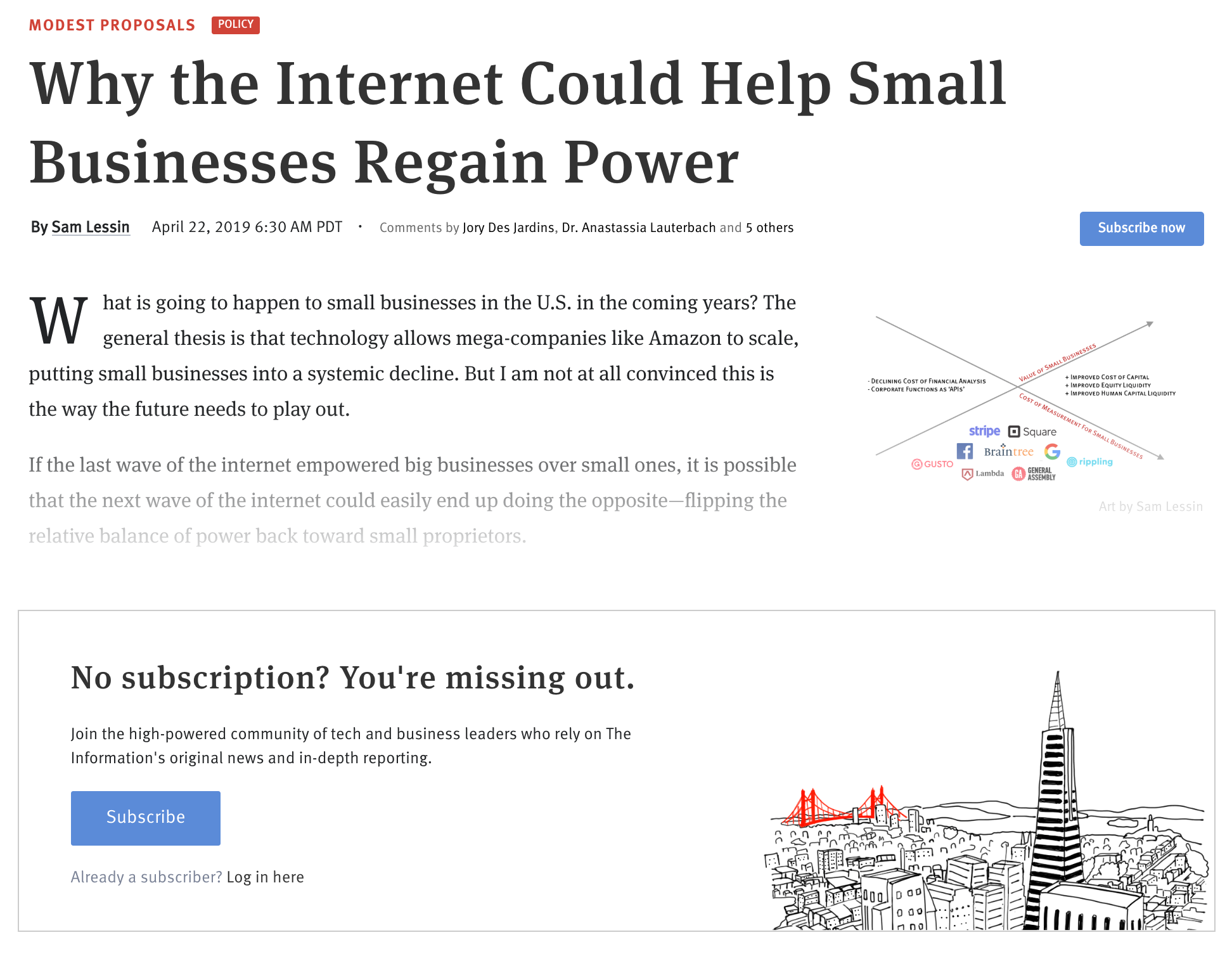
Experimenting with free and paid content can be a great way to build an audience and drive awareness about your newsletter content.
- Run a free newsletter (less frequent, less unique content) to attract new subscribers into the top of your marketing funnel, and periodically promote upgrades to paid plans to access the best content.
- Share snippets of content on your website, and only unlock the full post with a paid subscription, using content-protection.
- Run a public blog alongside your premium newsletter to attract organic search traffic, or to run sponsored posts to targeted groups with Facebook ads.
Early adopter pricing
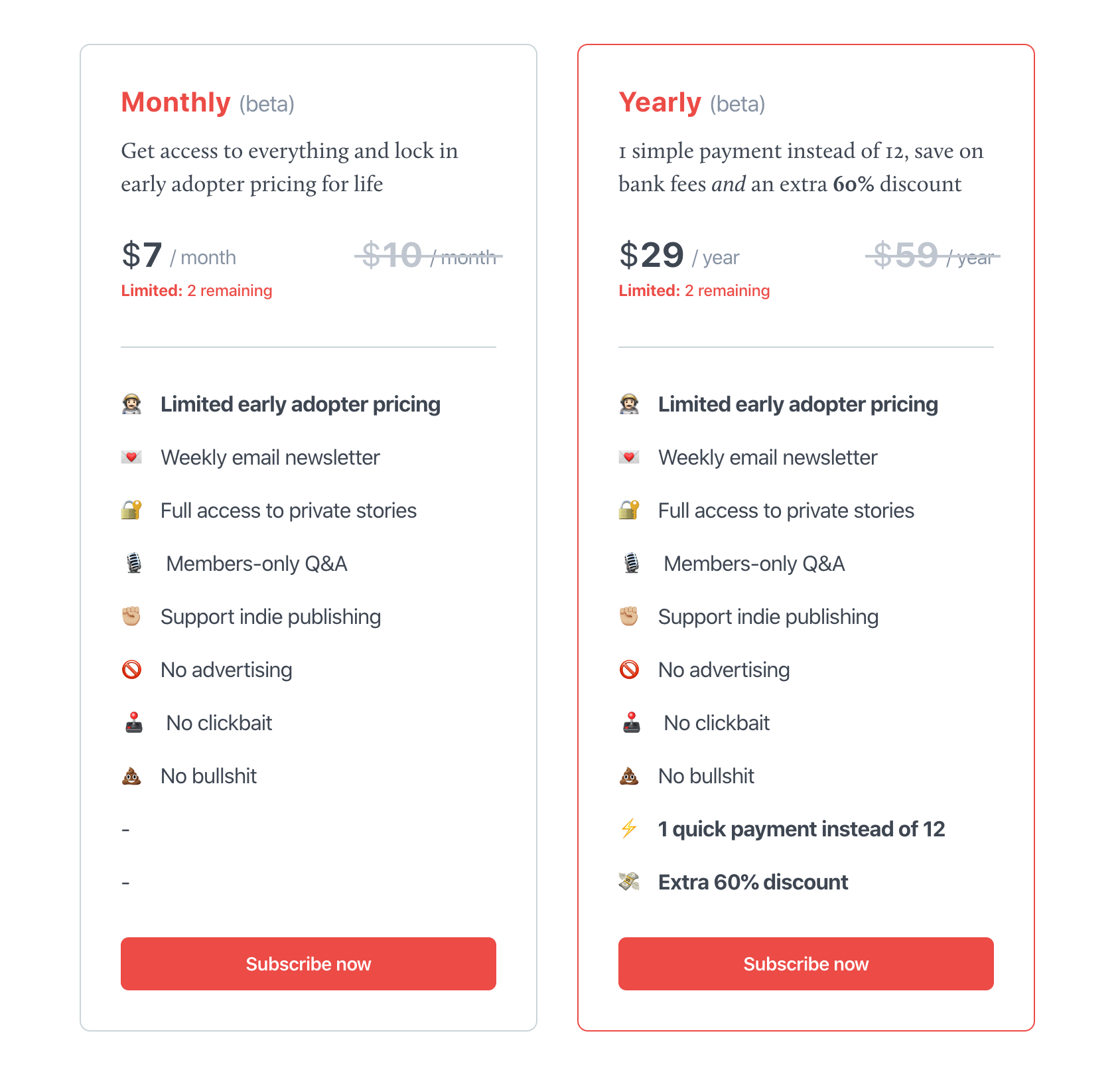
Many of the examples we looked at used the launching phase as a time to experiment with pricing strategies. Rather than waiting to launch, it's common to start out with lower prices for your first paying subscribers when you're still adding content and ironing out the finer details.
One way to do this is to offer a limited number of memberships at a certain price, and then increase it once they have all sold out:
Make sure you’re working towards a pricing model that's sustainable for your business. Many creators undervalue their work which can lead to economically unsustainable business models. Platforms like Patreon discourage all of their creators from setting pricing anywhere below $5/month for this reason.
Crowdfunding campaigns
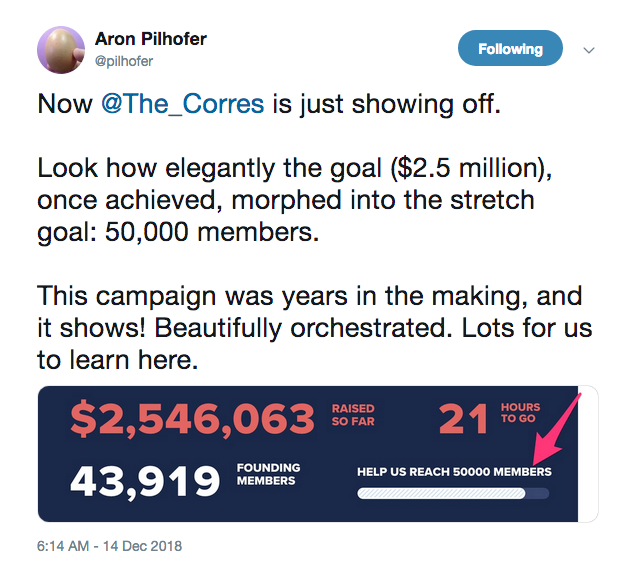
Running a crowdfunding campaign is another way to launch, which not only generates initial funding to support you in the early days, but also functions as a marketing campaign for your launch. De Correspondent famously did this to launch an English-speaking version, raising $2.5 million, a lots of attention, and thousands of founding members.
Word of mouth
No matter what your strategy - you’re also going to be relying on word of mouth to some degree. The great thing about specific niches is that they contain groups of people who talk to each other. You can also foster word of mouth by asking your members to share your work, or even offer a referral program.
We've now learnt what a premium newsletter is and what successful examples look like, as well as how to create your own by establishing a unique offering, setting up a publication and building your first subscribers.
Many publishers running premium newsletters often comment that their biggest regret is not starting sooner - because the sooner you start the sooner you can build a sustainable business around your work. The benefit of a premium newsletter is that you can start small and iterate with relative ease, and although it takes a large investment of your time, the amount of financial investment is minimal.
